Understanding ADU Regulations: What You Need to Know
Accessory Dwelling Units (ADUs) have become an increasingly popular way for homeowners to add value to their property, create space for family, or generate rental income. However, navigating the regulations surrounding ADUs can be complex. At Rightway Home Builders, we have extensive experience as an ADU contractor in the Bay Area, and we’re here to help you understand the key rules and requirements. Recent changes in state law have made it easier than ever to build an ADU, and we want to ensure you have the information you need to move forward with confidence.
What is an Accessory Dwelling Unit (ADU)?
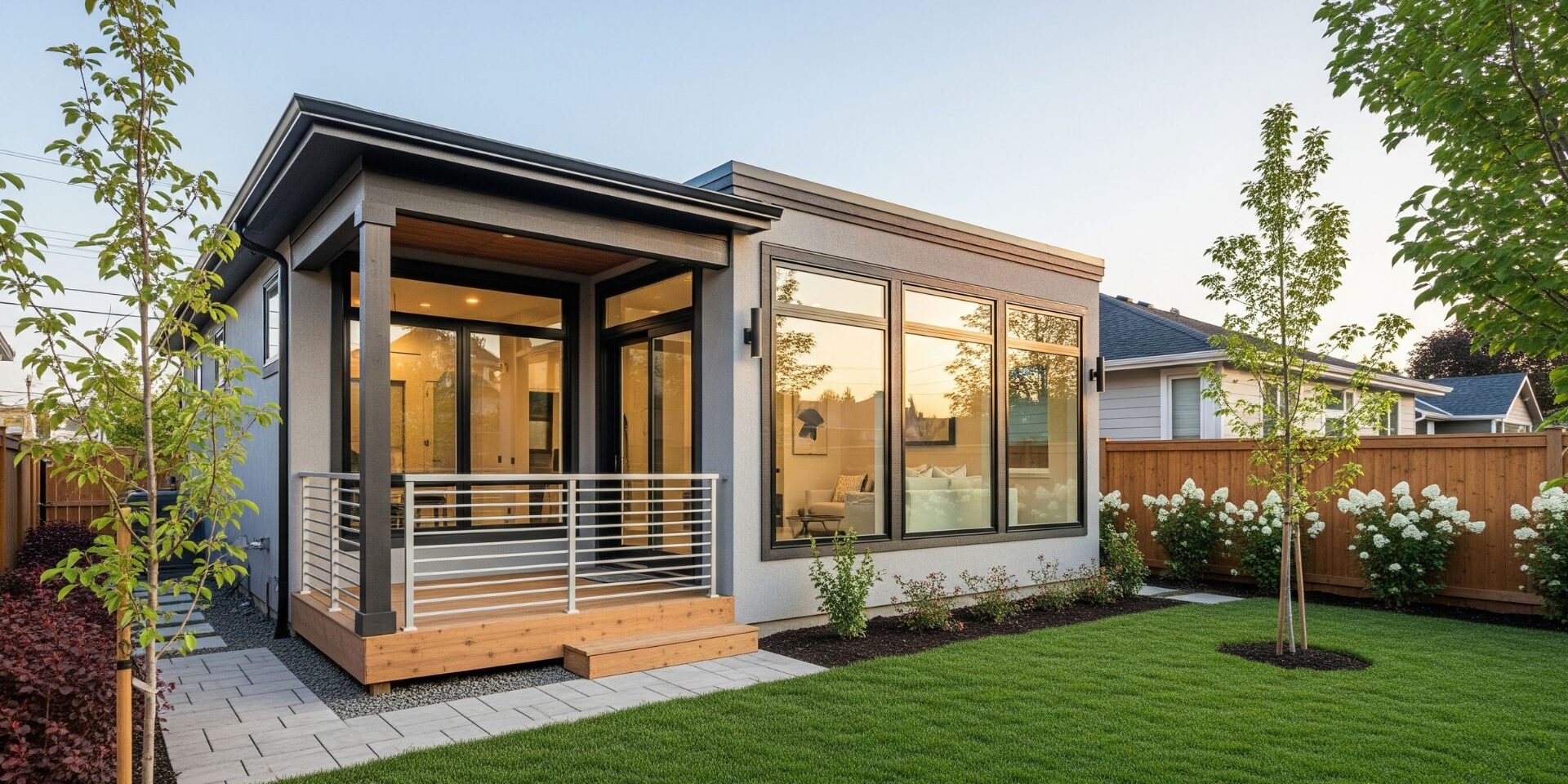
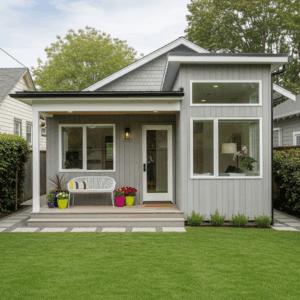
An ADU is a secondary housing unit on a single-family residential lot. It can be a detached unit (a backyard cottage), an attached unit (an addition to your home), or a conversion of existing space (like a garage). Each type has its own set of regulations, but all are designed to be self-sufficient living spaces with their own kitchen, bathroom, and entrance.

Navigating the Permitting Process
The permitting process for ADUs has been streamlined in recent years. California law now requires cities to approve or deny ADU permit applications within 60 days. This is a significant improvement, but it’s still crucial to submit a complete and accurate application. As your trusted ADU contractor, we can manage this process for you, ensuring all paperwork is in order to avoid delays.
Understanding Size and Setback Requirements
State law now allows for more flexibility in ADU size and placement. You can generally build an ADU of at least 800 square feet, and in many cases, up to 1,200 square feet. Setback requirements have also been reduced to as little as four feet from the side and rear property lines, making it possible to build an ADU on smaller lots.
The Different Types of ADUs
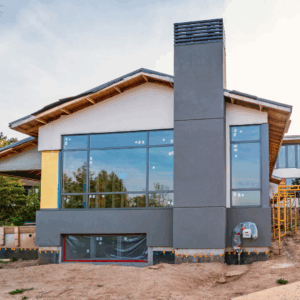
There are several types of ADUs to consider, each with its own benefits. A detached ADU offers the most privacy, while an attached ADU can be a more cost-effective option. A garage conversion is a great way to make use of existing space. We can help you determine the best type of ADU for your property and your needs, ensuring it complements your home and lifestyle.
Planning for Utility Connections
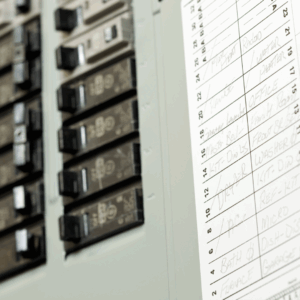
A critical, and often overlooked, step is planning for utility connections. Your ADU will require its own water, sewer, and electrical lines tied into your property’s existing systems. We help homeowners assess the best approach for these hookups, planning the most efficient and cost-effective route to ensure your new unit is fully functional and compliant with local codes from the very beginning.